
Family & Cosmetic Dental PLLC
- Home
- Our Practice
- Services
- Patient Information
- Blog
- Contact Us
Yes, teeth whitening strips can work, especially for mild to moderate yellowing caused by coffee, tea, red wine, tobacco, and normal aging. They are one of the more effective over-the-counter whitening options because they place a bleaching ingredient directly on the enamel, the hard outer layer of the tooth.
They do not work equally well for every type of stain. For many people with healthy teeth and realistic expectations, whitening strips are a reasonable first step for a visible but not dramatic improvement.
Family & Cosmetic Dental PLLC offers professional teeth whitening in Glendale, AZ, and provides the kind of supervised whitening many patients prefer.
Most whitening strips use hydrogen peroxide or carbamide peroxide. These ingredients release oxygen that helps break apart pigmented molecules inside the tooth, which can make teeth look lighter over time.
This is different from a basic whitening toothpaste. Toothpaste mainly removes surface buildup, while peroxide whitening strips can lighten some deeper discoloration too.
Results are usually better on yellow-toned teeth than on gray, brown, or patchy discoloration. Fillings, crowns, veneers, and bonding do not whiten the same way natural enamel does, so color mismatch can become more noticeable after treatment.
Whitening strips usually work best on extrinsic stains, which are stains on or near the outer surface of the tooth. These often come from coffee, tea, dark sodas, smoking, and richly colored foods.
They are less predictable for intrinsic stains, which develop within the tooth. This includes discoloration related to trauma, some medications, enamel defects, or changes that happened while the teeth were developing.
If one tooth is much darker than the others, whitening strips are not the best first step. A single dark tooth can point to prior nerve injury, internal bleeding inside the tooth, or another issue that should be checked before cosmetic treatment.
Whitening strips can create a noticeable improvement, but they are usually slower and less powerful than professional teeth whitening from a dentist. For many patients, strips can brighten the smile a few shades, while in-office treatment may create a bigger change in less time.
The main advantage of strips is convenience. The main advantage of professional whitening is control, especially when there is uneven staining, gum sensitivity, exposed root surfaces, or cosmetic dental work that may affect the final result.
| Option | Typical Benefit | Main Limits | Best Fit |
| Whitening strips | Convenient, lower cost, gradual improvement | May cause sensitivity, less effective on deeper stains, can whiten unevenly | Mild to moderate surface staining |
| Custom take-home trays from a dentist | More even coverage, supervised treatment, stronger than many store products | Higher cost than strips, still takes time | Patients who want a balanced middle option |
| In-office whitening | Faster and often more dramatic brightening | Higher cost, temporary sensitivity can occur | Patients wanting quicker results or tougher stain management |
In many cases, strips are best for maintenance or as a first try, not for every smile makeover goal. Many people can see strips lighten teeth within two weeks, but if you want a major color change before a wedding, job interview, or photo-heavy event, a professional consultation usually makes more sense.
Whitening strips do not usually change the smile overnight. People who respond well often notice gradual brightening over one to two weeks, depending on the formula, how consistently it is used, and the starting shade of the teeth.
Results are not permanent. Coffee, tea, smoking, and deeply colored foods can cause stains to return over time.
Teeth also vary naturally in translucency and internal color. That means one person may get a clean, bright result from strips, while another sees only a modest change even when using the product correctly.
Most whitening strips are simple to wear, though they can feel a little slippery at first. Some people notice a mild chemical taste or a tight feeling against the front teeth while the strips are in place.
The most common side effect is temporary tooth sensitivity. Teeth may react more strongly to cold air, iced drinks, or sweet foods for a short time during or after whitening.
Gum irritation can also happen if the bleaching gel overlaps onto the soft tissue. If pain is significant, if the gums look white or burned, or if sensitivity does not settle, stop using the product and contact a dentist for a dental exam.
Whitening strips are not ideal for everyone. If you have untreated tooth decay, a cracked tooth, gum recession, exposed roots, or active gum disease, bleaching products may increase discomfort and may not be safe to use without an exam.
They are also a poor choice when the real problem is not stain but shape, wear, old bonding, or mismatched restorations. According to the ADA, whitening changes natural tooth structure, not restorations.
If the issue is shape, worn enamel, or mismatched dental work, cosmetic dentistry options such as porcelain veneers or bonding may be a better fit.
These signs do not always mean a serious problem, but they do justify a professional evaluation before cosmetic treatment.
Whitening strips are often worth trying if your teeth are healthy, the staining is fairly even, and you want a modest improvement rather than a dramatic change. They can be a practical lower-cost option for brightening your smile at home.
They are less likely to be worth the effort when discoloration is patchy, when you have many visible fillings or crowns, or when sensitivity is already a problem. In those situations, the result is more likely to disappoint.
If your smile has become dull gradually from age and daily habits, strips may help. If the color change seems unusual, uneven, or linked to pain, it is better to schedule an exam first.
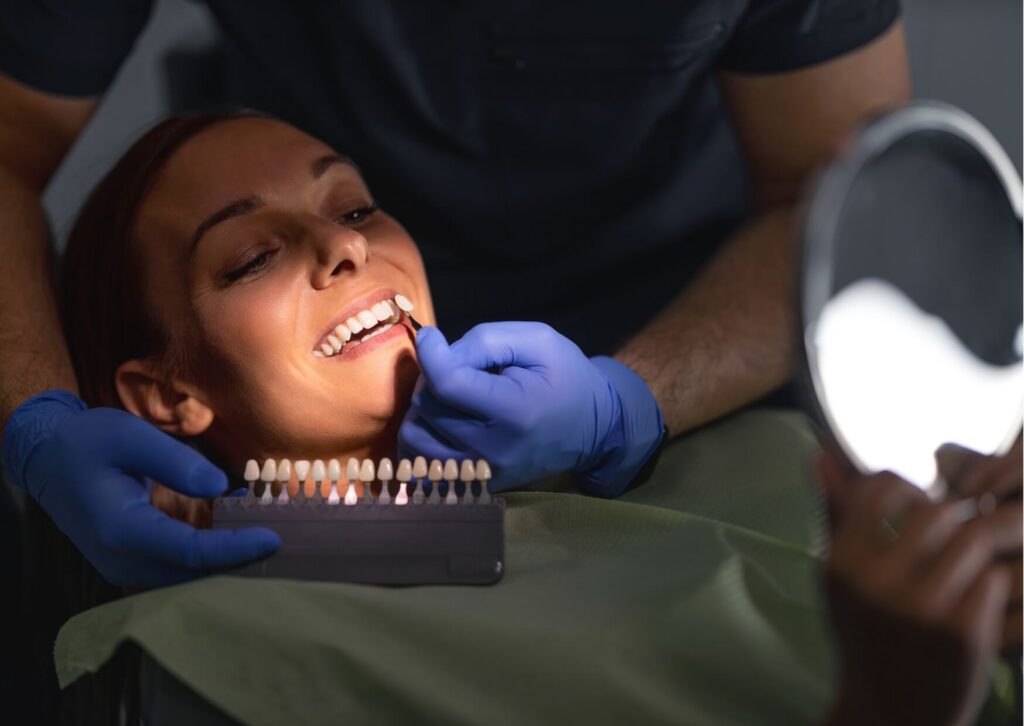
If whitening strips have not helped after a reasonable trial, the next step is usually not buying a stronger box. The better question is what kind of stain is present and whether your teeth are healthy enough for whitening at all.
A dental exam can identify causes that strips cannot fix, including internal discoloration, enamel wear, leaking fillings, or a non-vital tooth, meaning a tooth with a damaged or no longer living nerve. That kind of clarity can save time, money, and frustration.
For patients who want a brighter smile with fewer surprises, a consultation can help determine whether whitening strips, custom trays, bonding, or another cosmetic option makes the most sense.
At Family & Cosmetic Dental PLLC in Glendale, AZ, our teeth whitening options can deliver faster, more predictable results; we serve Glendale as well as nearby Phoenix and Peoria. Call us at (602) 866-9825 to schedule.
Often, yes. Yellow-toned staining usually responds better than gray or brown discoloration, especially when the cause is coffee, tea, tobacco, or normal aging.
No. Whitening strips do not lighten crowns, veneers, fillings, or bonding the way they lighten natural enamel, so color differences may become more noticeable.
Many people notice some change within days, with fuller results often appearing after one to two weeks. The timing varies based on the product, the starting shade, and the type of stain.
When used as directed, they are generally safe for many people, but they can cause sensitivity and gum irritation. If there is decay, cracks, exposed roots, or significant pain, whitening should wait until a dentist evaluates the teeth.
Schedule a dental visit if one tooth is darker than the rest, if whitening causes significant pain, or if there is swelling, bleeding gums, or ongoing sensitivity. Those signs may point to a problem that needs treatment before cosmetic whitening.