
Family & Cosmetic Dental PLLC
- Home
- Our Practice
- Services
- Patient Information
- Blog
- Contact Us
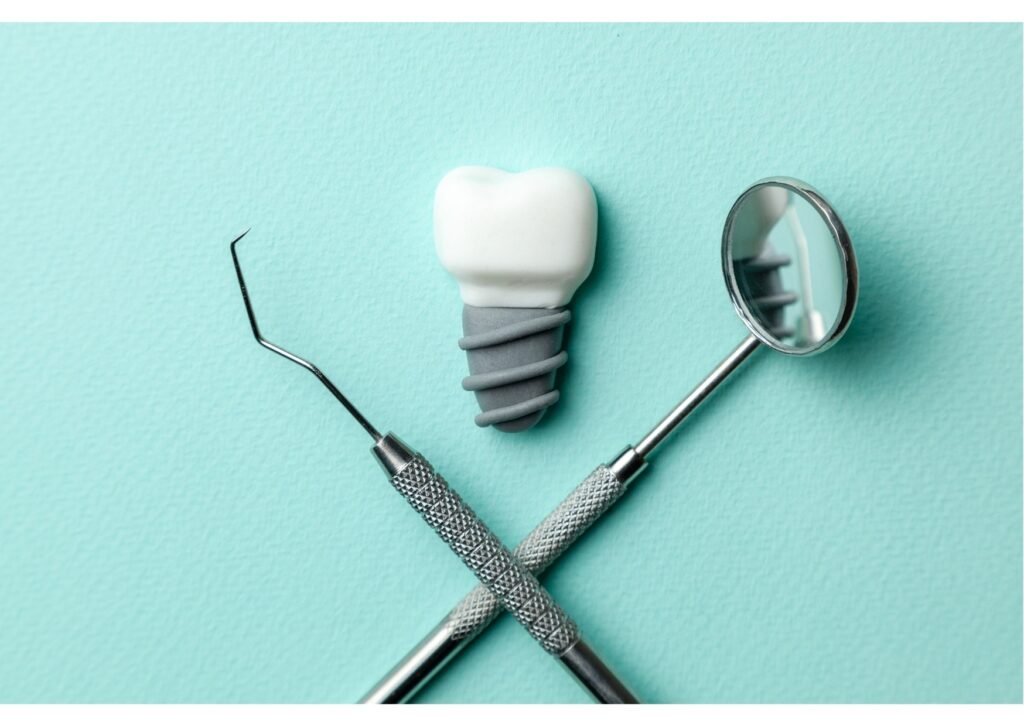
A missing tooth can affect more than appearance. It can impact chewing, speech, facial structure, and daily comfort. Over time, nearby teeth may shift, and the jawbone beneath the gap may begin to shrink due to lack of stimulation.
This is why understanding dental implants pros and cons goes beyond cosmetic concerns. Dental implants replace the root of a missing tooth, helping restore both function and structure. However, they involve surgery, require healing time, and may not be suitable for every patient initially.
Implants are one of several treatment options available. Each comes with its own benefits, limitations, costs, and risks. At AZ Cosmetic Dental in Chandler, patients are guided through these considerations to determine whether implants are the right fit for their needs.
A dental implant is typically a small titanium or ceramic post placed into the jawbone where a tooth root once was. Over time, the bone integrates with the implant through a process known as osseointegration. After healing, a connector and a custom crown, bridge, or denture are attached.
This root-level replacement is what distinguishes implants from bridges or removable dentures. Bridges rely on adjacent teeth for support, while dentures rest on the gums. An implant can function independently when conditions allow, which may help preserve surrounding teeth.
The healing process is biologically precise. Bone cells grow and attach to the implant surface, creating a stable foundation. If the implant remains stable and free from infection during healing, long-term integration is more likely.
One of the most significant advantages is functional stability. Because implants are anchored directly into bone, they can handle biting forces more similarly to natural teeth. This can improve chewing efficiency and reduce the need to avoid certain foods.
Implants also have high success rates when placed in well-selected patients and maintained properly. Long-term outcomes depend on factors such as bone quality, gum health, and oral hygiene, and many implants remain stable and functional for years.
Implants also help preserve the jawbone and protect adjacent teeth. By replacing the root structure, they can reduce disuse-related bone loss and support facial contours over time. Unlike bridges, they typically do not require reshaping neighboring teeth, which helps maintain natural tooth structure when those teeth are healthy.
Implant treatment involves surgery, even in straightforward cases. This means local anesthesia, tissue healing, and follow-up care are required. Some patients may have medical conditions or anatomical limitations that increase complexity.
Healing time can vary widely. While some cases allow immediate placement or temporary restorations, many require several months for full integration. Bone grafting or treatment of infection may extend the timeline further.
Complications and maintenance are important considerations. Inflammation around implants, known as peri-implantitis, can lead to bone loss if not managed early. Patients with a history of periodontal gum disease may have a higher risk of similar issues, which is why consistent hygiene and professional monitoring remain essential.
A strong candidate typically has adequate bone volume, stable gum health, and the ability to heal normally. Healthy gums provide the soft tissue support that surrounds and protects the implant, making them essential for long-term stability. Good oral hygiene is equally important because the health of the implant depends on both the bone and the gum tissues around it.
Age alone is not a limiting factor. More important considerations include smoking habits, diabetes control, medication history, and whether active periodontal disease is present. These factors can affect both gum health and bone healing, which directly influence implant success.
A comprehensive evaluation often includes 3D imaging, bite analysis, and spacing assessment. In visible areas, small differences in gum contour, thickness, and symmetry can significantly affect the final appearance. Careful planning helps ensure both functional stability and natural-looking results.
Certain conditions can make implant treatment more complex. Smoking can reduce blood flow and slow healing, while uncontrolled diabetes may increase infection risk and delay tissue repair. In these cases, careful medical and dental coordination is often needed before proceeding.
Bone loss from long-term tooth absence may require grafting procedures to rebuild support for the implant. In the upper jaw, the sinus can limit available bone height, while in the lower jaw, nerve positioning must be carefully considered. These situations are often evaluated or treated in collaboration with a periodontist, who focuses on gum health and supporting bone structures.
There are also cases where preserving a natural tooth is more appropriate. If a tooth can be predictably restored, removing it for an implant may not be the most conservative or biologically sound option. Careful diagnosis helps determine when an implant is truly the better choice.
Choosing the right option depends on anatomy, budget, and treatment goals. Some patients prioritize a fixed, stable solution, while others prefer less invasive or more affordable approaches.
| Option | Main strengths | Main limitations | Often best for |
| Dental implant | Replaces the root, can preserve adjacent teeth, often feels stable | Surgery, healing time, higher cost, possible grafting | Single missing teeth, some multi-tooth and denture-support cases |
| Dental bridge | Faster than many implant cases, no surgery in many cases | Usually requires reshaping neighboring teeth, does not replace the root | Patients who want a fixed option without implant surgery |
| Removable partial denture | Lower upfront cost, non-surgical, can replace multiple teeth | May move during chewing or speech, can feel bulky | Budget-limited cases or temporary replacement |
| Full denture | Can restore appearance and basic function after many missing teeth | Lower stability, especially in the lower jaw, bone shrinkage continues | Full-arch tooth loss when implants are not feasible or not desired |
| Implant-supported denture | Better retention and chewing stability than a conventional denture | Surgery, maintenance, component wear, cost | Patients frustrated by loose dentures |
Each option has a specific role. Implants are often most effective when used to address structural needs rather than as a universal solution.
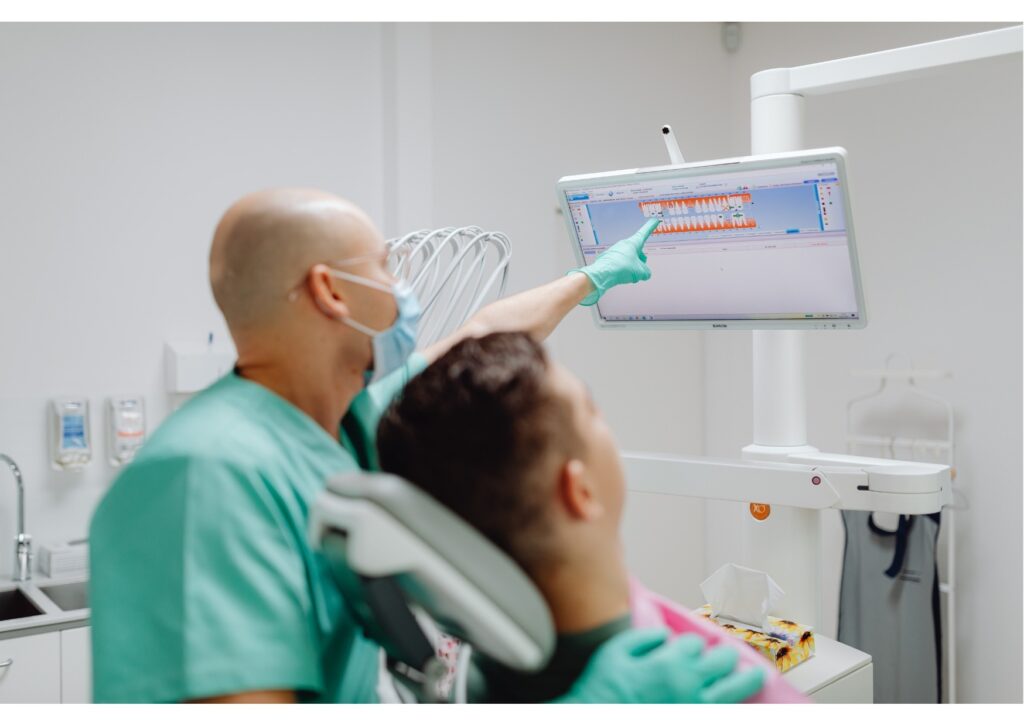
Treatment typically begins with diagnostics and planning. The implant position is determined based on the final restoration to ensure proper alignment, function, and appearance.
After placement, the healing phase begins. Some patients receive temporary teeth, while others heal without visible restorations. Mild swelling and soreness are common, but severe symptoms should be evaluated promptly.
Once integration is confirmed, impressions or digital scans are taken. The final crown is then placed, followed by adjustments and ongoing monitoring to maintain long-term stability.
Early signs of implant issues may include bleeding, tenderness, or changes in how the bite feels. These symptoms can resemble early gum disease and should not be ignored. Some problems may involve the restoration, such as a loose crown, rather than the implant itself.
Warning signs that require prompt evaluation include:
Long-term failure is often multifactorial. Poor hygiene, smoking, excessive bite forces, and a history of gum disease can all increase the risk of complications over time. Maintaining healthy gums is essential for protecting the bone and tissues that support an implant.
Patients often ask whether implants are worth the cost. The answer depends on priorities and expected outcomes. Implants may offer strong value when these factors matter:
Longevity is not absolute. Many implants last for years, but results vary based on care and conditions:
There is also a personal side to this decision. A missing tooth can affect comfort, confidence, and daily function. The best choice balances clinical needs with individual preferences.
A useful decision starts with a few plain questions. Is the missing tooth affecting function or alignment?
It is also helpful to consider what happens without treatment. Some gaps may lead to shifting or bite changes, while others remain stable for longer periods depending on location.
If there is uncertainty, seeking a second opinion can provide clarity. A thorough consultation should explain options, risks, timelines, and maintenance expectations in clear, understandable terms.
Ready to discuss dental implants? Contact us by calling (602) 866-9825 to book a consultation at our Chandler office; we welcome patients from nearby Phoenix and Peoria and can often offer same-day appointments to review treatment options and next steps.
Not always. Implants may be better when preserving adjacent teeth and replacing the missing root are priorities. Bridges may be more suitable when surgery is not desired, treatment needs to move faster, or neighboring teeth already need crowns.
Many patients describe the procedure as manageable, especially with local anesthesia and routine post-operative care from the treating clinician. Some soreness and swelling are common afterward, but severe or worsening pain should be assessed.
They can last many years, sometimes much longer, but outcomes vary. Long-term success depends on case selection, bone and gum health, bite forces, smoking status, and daily cleaning.
Yes. Late problems can occur from bone loss, inflammation, overload, component issues, or poor hygiene. Bleeding, tenderness, gum changes, or mobility should be checked promptly.
They are generally considered safe when planned and placed appropriately, but they are still a surgical treatment with real risks. A personalized dental evaluation is the safest way to understand whether the benefits outweigh the drawbacks in a specific case.