
Family & Cosmetic Dental PLLC
- Home
- Our Practice
- Services
- Patient Information
- Blog
- Contact Us
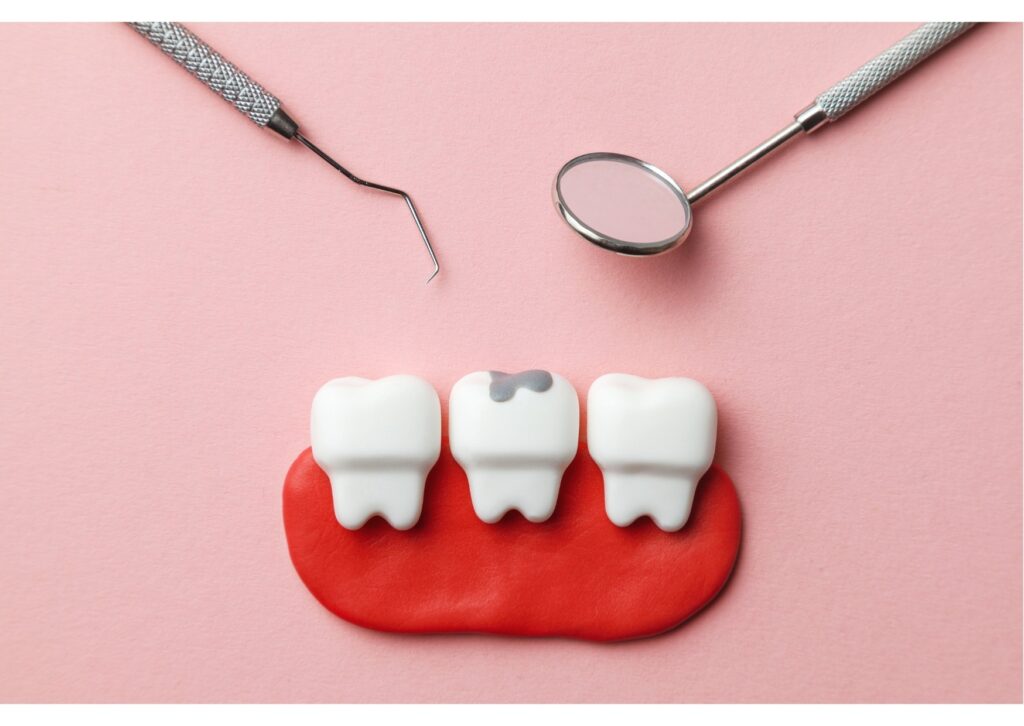
When comparing dental bonding vs. porcelain veneers, the key difference comes down to how much of the natural tooth is preserved and how much is changed. Both options can improve shape, color, and symmetry, but they involve different materials, techniques, and long-term outcomes.
Modern cosmetic dentistry focuses on enhancing a smile while keeping healthy enamel intact whenever possible. Some concerns, like small chips or gaps, may only need minimal treatment. Others, such as uneven color or shape across multiple teeth, may require a more comprehensive approach.
If you are unsure which option fits your needs, AZ Cosmetic Dental in Chandler, Arizona provides patient-focused cosmetic dentistry for individuals seeking balanced, natural-looking results.
Dental bonding uses a tooth-colored resin applied directly to the tooth and hardened with a curing light. The dentist shapes and polishes the material during the same visit. In many cases, little to no enamel removal is required, making it a conservative option.
Veneers are thin shells, usually made of porcelain or ceramic, that are bonded to the front of the tooth. They are created outside the mouth after careful planning, impressions, and shade matching. Because veneers need space to fit naturally, a small amount of enamel is often removed .
Both treatments can improve the appearance of teeth, but their approach differs. Bonding is a direct, chairside procedure, while veneers are designed restorations with greater control over color, texture, and long-term stability. The difference lies in both technique and durability.
Teeth are not passive surfaces. Enamel is a highly mineralized layer that protects the tooth but does not regenerate once lost. This makes preservation an important factor when comparing bonding vs. veneers.
Bonding works through micromechanical adhesion. The surface is prepared so the resin can attach securely, then shaped and hardened. While effective, resin is softer than porcelain and may stain or chip over time.
Veneers also rely on adhesive techniques, but porcelain behaves differently. It is more resistant to staining and maintains polish longer. When bonded properly, veneers often mimic the natural light reflection of enamel more closely than resin, with clinical survival rates showing strong long-term performance.
Bonding is well suited for small to moderate cosmetic concerns. These may include minor chips, small gaps, uneven edges, or localized discoloration. It offers noticeable improvement without significant alteration to the tooth, though it may require maintenance or replacement within a few years depending on wear and habits.
It can also be useful for patients who want flexibility. Since bonding is applied directly, it can be adjusted or modified more easily. At AZ Cosmetic Dental, this option is often considered for patients exploring cosmetic changes for the first time.
In many cases, bonding works best when treatment is minimal. Preserving healthy enamel while addressing small imperfections often leads to natural and balanced results.
Veneers may be more appropriate when multiple concerns need to be addressed at once. These include worn teeth, uneven shapes, or discoloration that does not respond to whitening. Veneers provide a more uniform and cohesive appearance.
They are also more resistant to staining over time. Everyday habits such as drinking coffee or tea can affect composite resin more than porcelain. Veneers offer greater long-term color stability for patients seeking lasting brightness.
For some patients, a session of teeth whitening first will clarify whether a veneer is needed for color or whether whitening plus selective bonding will suffice.
However, veneers should not replace proper diagnosis. Issues such as bite problems, grinding, gum disease, or the need to straighten teeth should be addressed first. Cosmetic treatment is most effective when the underlying oral health is stable.
The difference between bonding and veneers often becomes more noticeable over time. While both can look natural initially, wear, polish retention, and staining may vary.
| Category | Bonding | Veneers |
| Material | Composite resin | Usually porcelain or ceramic |
| Tooth reduction | Often minimal or none | Often requires some enamel removal |
| Visits | Commonly one visit | Usually two or more visits |
| Best for | Small chips, gaps, contour changes, single-tooth fixes | Broader smile redesign, color change, multiple front teeth |
| Stain resistance | Lower | Higher |
| Repairability | Often easier to patch or reshape | Repair may be limited; replacement is sometimes needed |
| Longevity | Often shorter, varies by habits and bite | Often longer, varies by design and maintenance |
Both options require proper care. Regular brushing, flossing, and dental checkups are essential. Patients who grind or clench may need protective measures to maintain results.
Cosmetic dentistry involves balancing improvement with preservation. The question is how much healthy tooth structure should be altered to achieve the desired result. This consideration is central to choosing between bonding vs veneers.
Bonding is often more conservative and reversible in nature. Veneers can provide transformative results but typically involve permanent enamel changes. This makes careful planning essential.
A thoughtful approach focuses on patient goals, clinical condition, and long-term outcomes. At AZ Cosmetic Dental, treatment planning prioritizes conservative care whenever possible. In many cases, less invasive options may achieve the desired result, while in others, veneers may provide the most stable solution.
Before deciding between bonding and veneers, it helps to slow the process down and ask specific questions. Cosmetic dentistry tends to go best when the planning is as careful as the execution.
Digital planning tools can help visualize outcomes, but they are not guaranteed. Real-life factors such as habits and bite forces influence long-term results.
Cosmetic concerns can overlap with dental disease, so early evaluation matters. Seek prompt dental care if you notice:
These symptoms may indicate decay, pulp inflammation, gum disease, or structural damage that should be addressed before cosmetic treatment.
Urgent care is especially important after injuries or sudden bite changes. Do not delay care if you experience:
A damaged tooth may have underlying issues beyond appearance, and international dental trauma guidelines recommend prompt evaluation after dental injuries.
Disclaimer: This content is general education, and a dental exam is the safest way to determine the right treatment.
The comparison of bonding vs. veneers is not about better or worse, but about fit. Bonding suits modest repairs and patients who want improvement with minimal enamel removal, while veneers are better for broader smile changes and long-term color stability.
Cosmetic dentistry continues to favor conservative approaches, but the core principle remains the same. The best results work with natural tooth structure, using only what is needed to achieve a balanced, lasting outcome.
If you are deciding between bonding, veneers, or other cosmetic options, schedule a consultation with our team to get clear, personalized guidance.
Contact us or call (602) 866-9825to book your visit with AZ Cosmetic Dental in Chandler, Arizona, where we provide patient-focused care and can often accommodate patients from Peoria or Phoenix, AZ.
Not universally. Bonding may be better for small cosmetic changes and enamel preservation, while veneers may be better for larger smile redesigns and longer-lasting stain resistance.
In many cases, yes. Porcelain veneers often maintain polish and color longer than composite bonding, though longevity depends on bite forces, oral hygiene, and the quality of the underlying tooth structure.
Bonding does not usually ruin teeth when used appropriately. It is often a conservative treatment, but any dental procedure should be planned carefully to avoid unnecessary alteration or repeated repairs.
They can be, especially across several front teeth. Porcelain often reflects light in a way that more closely resembles enamel, but excellent bonding can also look very natural in the right case.
Sometimes. If the changes needed are limited and the enamel is healthy, bonding may be a reasonable alternative. A dental examination is the safest way to know whether that approach will be stable and aesthetically balanced.